Why reunite them with their families?
Why reunite them with their families?
For the past 12 years, Land of Hope has worked intensively to reunite rescued children with their families. This work is known as reunification and is a central part of the organisation’s long-term efforts to protect children’s rights and combat harmful superstition, particularly in West Africa.
Today, the results of this work are becoming increasingly visible.
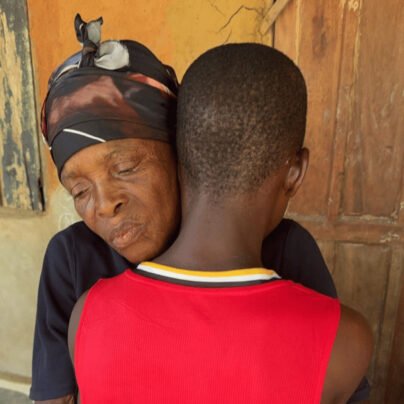
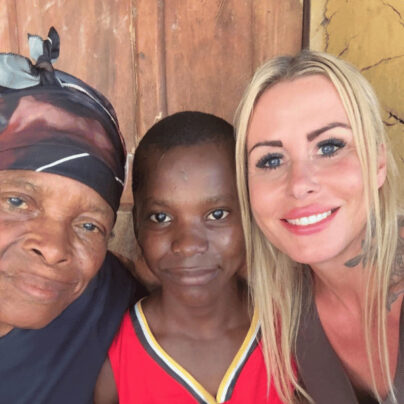
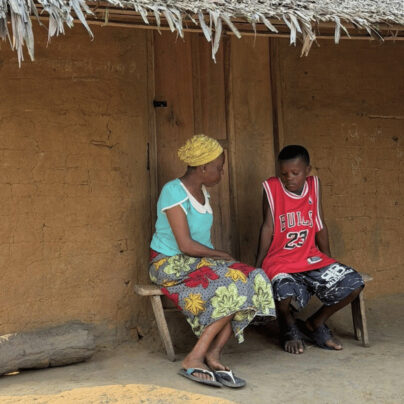
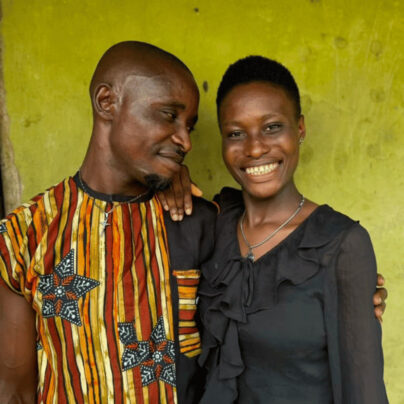
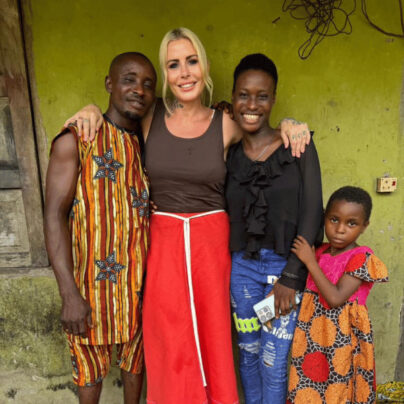
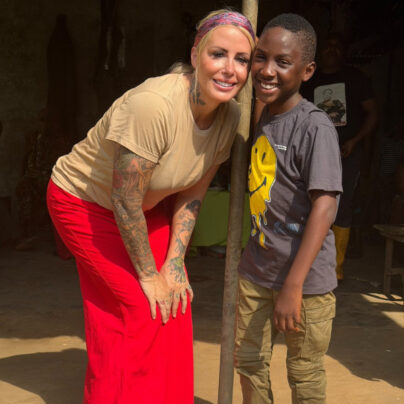
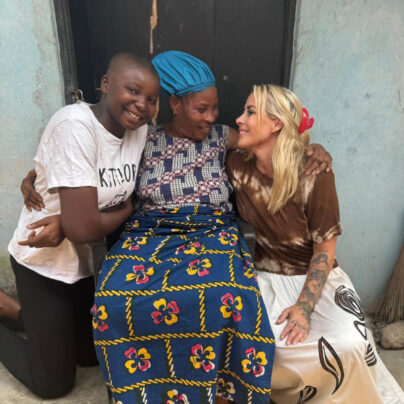
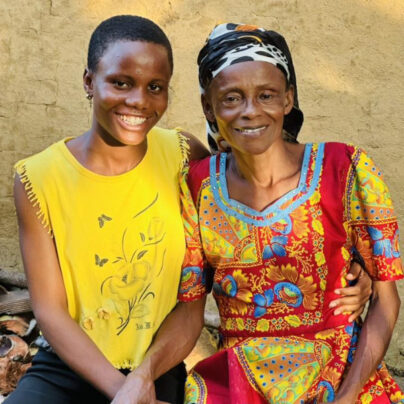
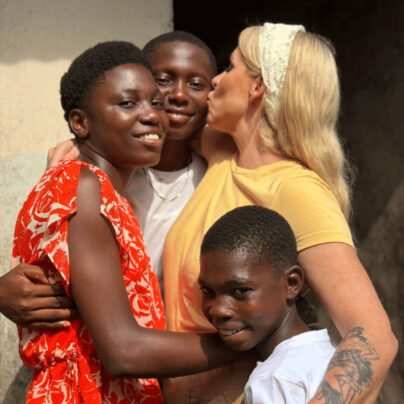
In recent years, 20 children from Land of Hope have re-established relationships with their families. These relationships are now strong enough for the children to spend school holidays with their families in the villages where they were once accused of being witches.
For many supporters, this may seem difficult to understand. Why expose children to that risk again?
That is why Land of Hope wants to explain this work in greater detail – and why it matters.
Children’s right to family and identity
When children who have experienced witchcraft accusations and violence return to their families, it naturally raises concern. Fear, anger and sorrow are common reactions. For this reason, reunification at Land of Hope is never rushed.
The organisation works with long, carefully planned and professionally supervised processes that often take several years. Children’s safety is always the top priority, and no reunification takes place unless it is assessed to be in the child’s best interest – both in the short and long term.
According to the UN Convention on the Rights of the Child, all children have the right to know their origins and to belong to a family – even when relationships have been broken by poverty, fear and superstition.
For Land of Hope, reunification therefore concerns not only the child, but also the community the child comes from.
Through dialogue, education and repeated visits, the organisation works with families, village leaders and chiefs to dismantle harmful superstition and strengthen understanding of children’s rights and the law.
Over the years, this approach has led to clear and lasting change.
The trust built with local communities is crucial in preventing new witchcraft accusations and saving children’s lives.
How the children respond
Hope is one example. Ten years have passed since he was rescued. Today, when he visits his village, he walks through it with pride. As a child, he was rejected and accused of witchcraft. Now he has completed primary school and meets his community with confidence and a strong sense of self. Hope knows his story – and he calls himself a survivor.
Destiny and Godspower are also examples of children whose family relationships have been rebuilt over time. Destiny has spent many school holidays with his mother, with whom he was reunited several years ago. Next year, he will move back home to live with her.
Reunification work begins as early as possible, because a child’s identity cannot be put on hold. The longer a child lives without access to their history, the harder it can be to find stability as an adult. For Land of Hope, reunification is not about dwelling on the past, but about giving children a stronger foundation for the future.
One of our children, Mighty, expressed it clearly after a home visit: “If you don’t take me on a home visit, where would I go when I grow up?”
When Mighty visits his village today, his cousins run towards him, cheering with joy. That sense of belonging plays an important role in helping him grow into adulthood.
Trauma does not disappear by being avoided. Our experience shows that many children find it healing to return when it happens on their own terms. They discover that they are no longer powerless. They are supported by trusted adults and are able to set boundaries. In this way, they actively take part in shaping their own story.
Reunification is not about forgetting the past, but about taking it seriously – for children, families and communities alike.
Can the families be trusted?
Reunification always involves a thorough assessment of the child’s mental and emotional well-being. In many cases, Land of Hope has worked with families and communities for years before a child is involved. Dialogue, education and clear agreements regarding the child’s safety are essential parts of the process.
Children are never left alone during home visits.
The Land of Hope team follows each child closely and remains in continuous contact with the family. Trust is built gradually and over time.
Reunification is a long-term investment in both children and the communities they come from, with the clear goal of weakening superstition and strengthening hope. By supporting Land of Hope, donors not only help protect individual children from life-threatening situations, but also contribute to preventing future abuse.